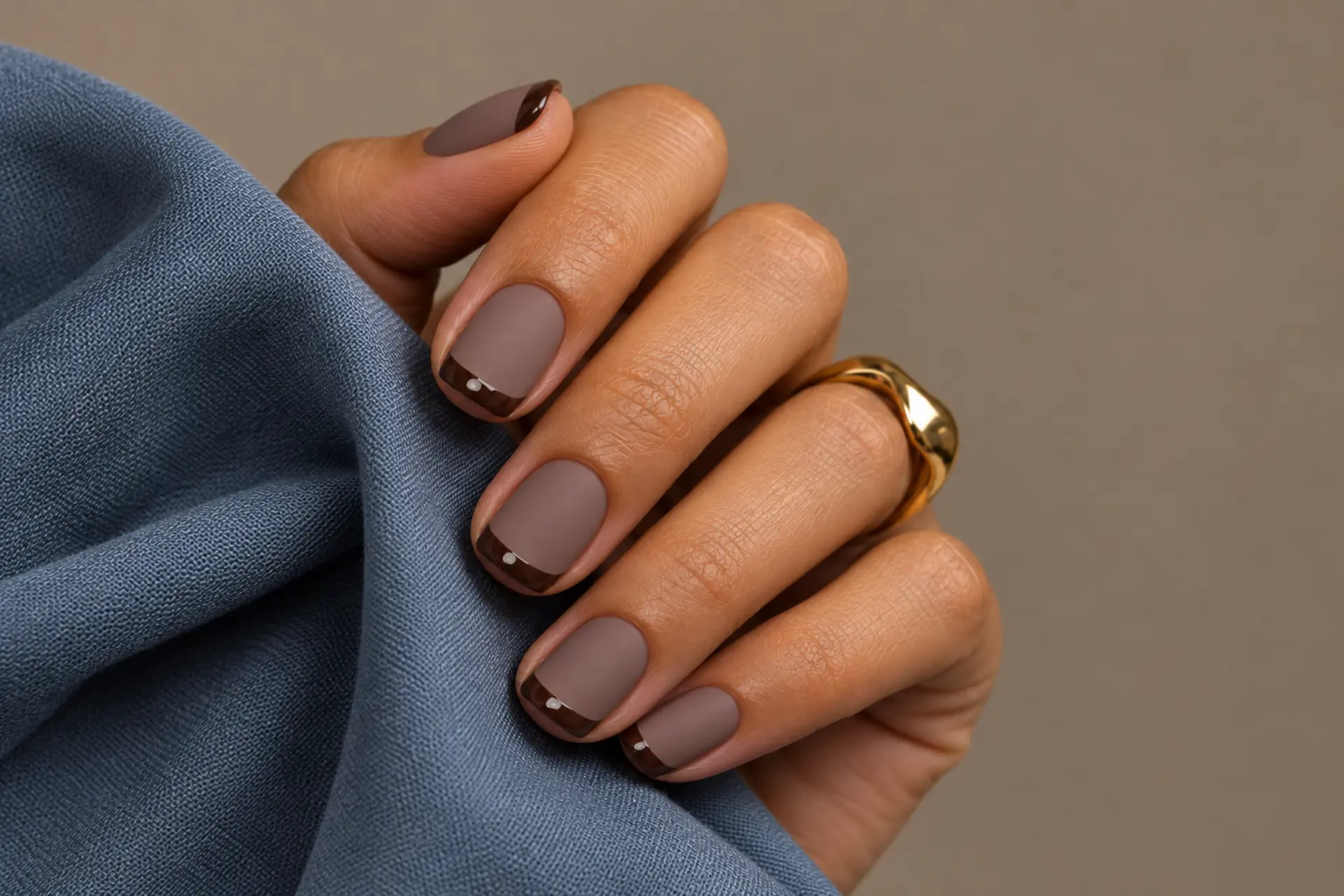
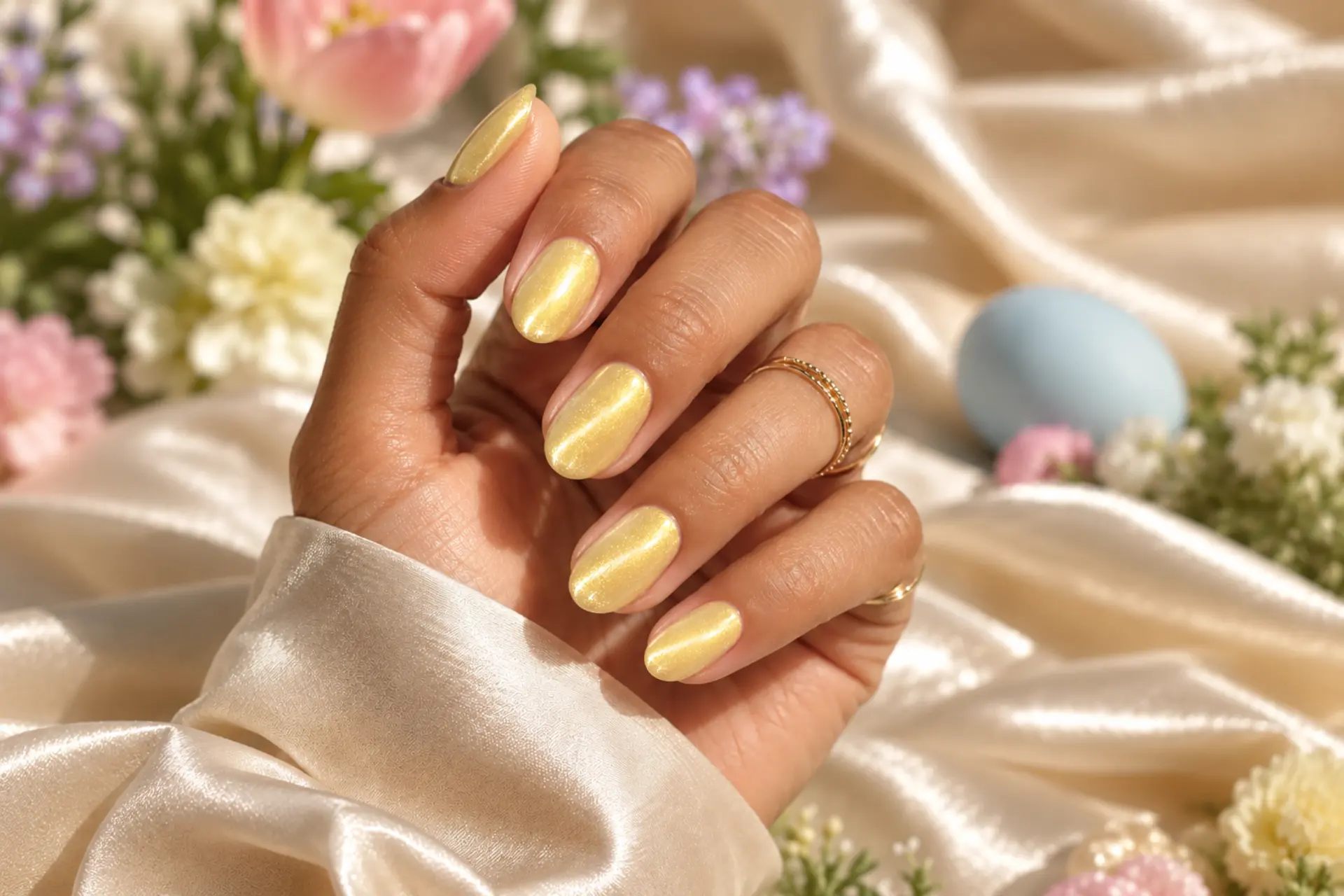
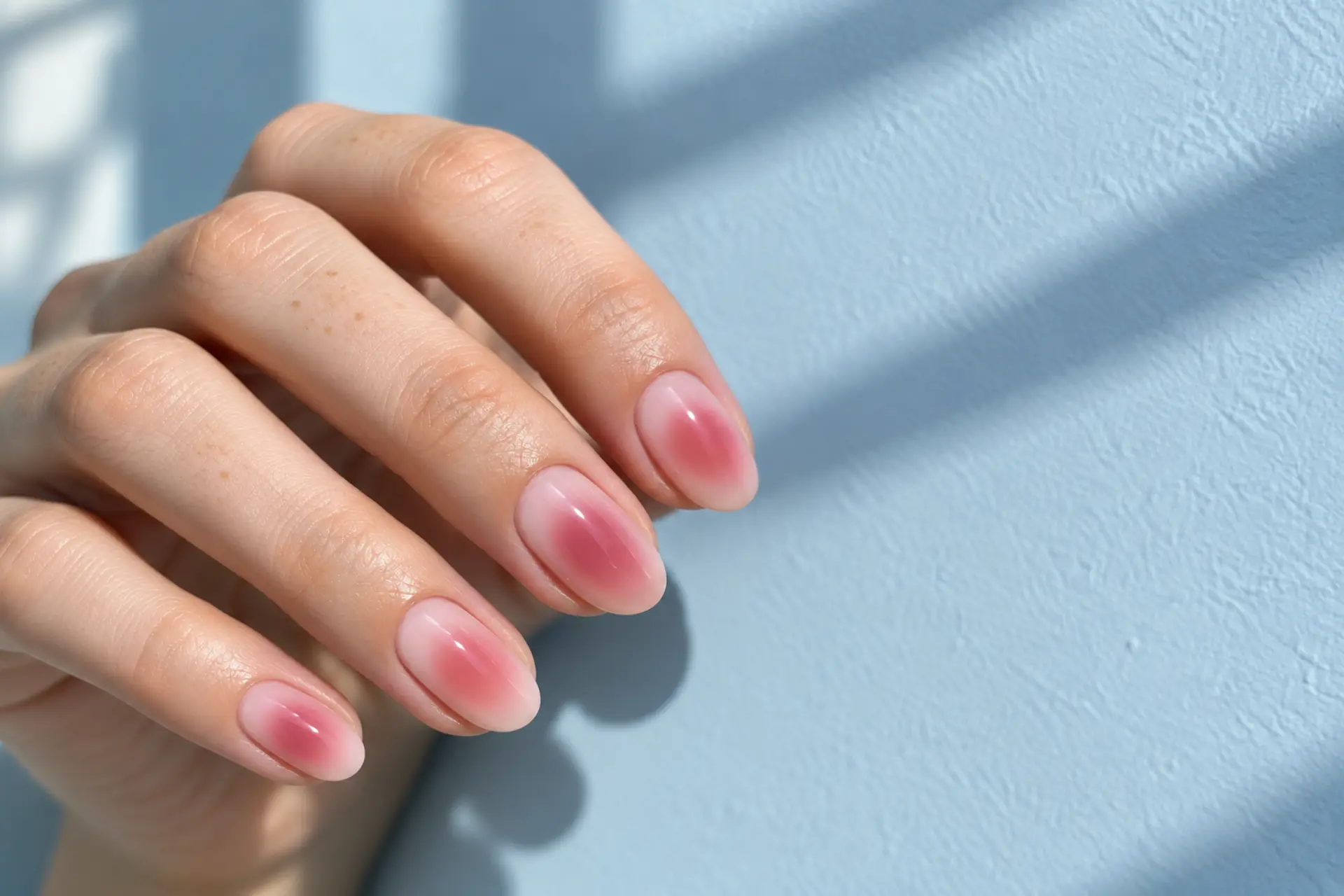
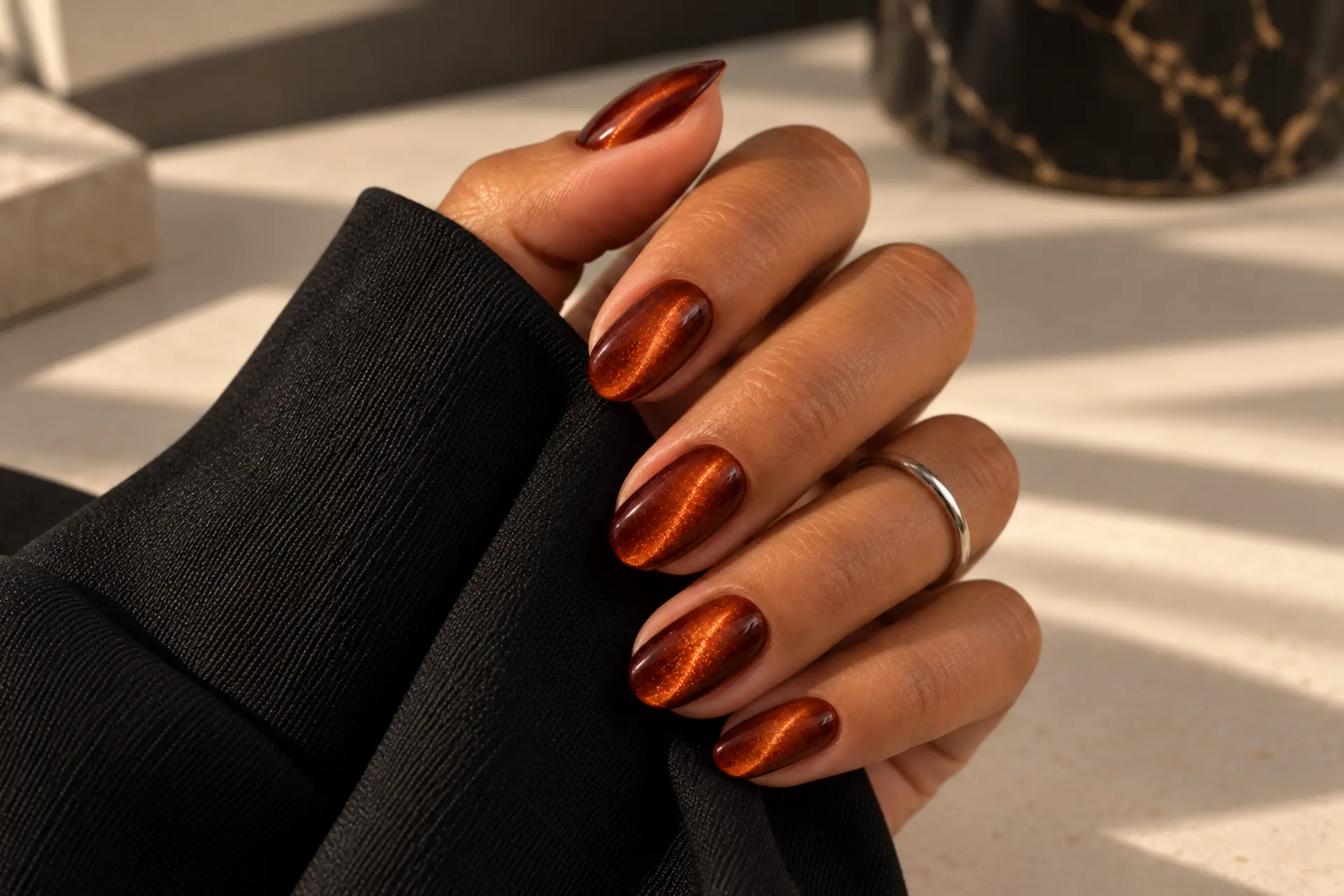
For short French nail ideas, keep the length natural and scale every detail to the smaller nail plate. Use milky white, soft ivory, porcelain, cream, and clean bright white, then choose one focal technique—French edge, chrome, dot, or line work—rather than stacking several effects.
Short French Nail Ideas work best when the color, shape, and finish are treated as one idea instead of three competing details. This edit focuses on precise, modern, versatile combinations that read clearly in real life and in close-up photos.
The easiest way to make this theme feel intentional is to repeat one visual cue—such as a thin French edge, a translucent base, or a controlled metallic finish—across the set. The palette here moves through white, red, brown, silver, and blue without forcing every nail to match exactly.
Use these looks as salon references rather than strict formulas. Length, undertone, and the amount of negative space can all be adjusted to suit natural nails, extensions, or a shorter everyday manicure.
When you save a reference, note the exact shape, opacity, and finish you like—not only the color. Those three details are what help a nail artist reproduce the mood of short French nail ideas without copying every element literally.
milky white, soft ivory, porcelain, cream, and clean bright white
short natural squoval or soft-square
Bring one full-set reference plus one close-up detail, then ask your nail artist to adapt length and undertone to your hands.
White Clean Gloss

The strength of White Clean Gloss is contrast: white clean gloss. Keep the palette around milky white, soft ivory, porcelain, cream, and clean bright white and let the short natural squoval or soft-square silhouette do some of the work. For a salon appointment, save this look for the design placement and bring a separate color reference if you want the undertone adjusted.
Red Baby French

For Red Baby French, the most important choice is proportion. Use red baby french, then keep the remaining nails quieter in milky white, soft ivory, porcelain, cream, and clean bright white. A short natural squoval or soft-square shape makes the design feel balanced; on shorter nails, scale the detail down instead of adding more decoration.
Brown Micro Dot

Brown Micro Dot works because the finish stays controlled. The key is brown micro dot, supported by milky white, soft ivory, porcelain, cream, and clean bright white rather than several competing accents. Request a consistent short natural squoval or soft-square outline and smooth sidewalls so the manicure still looks polished from a normal viewing distance.
Silver Tiny Curve

Think of Silver Tiny Curve as a salon reference, not a strict formula. Start with silver tiny curve, choose the closest undertone within milky white, soft ivory, porcelain, cream, and clean bright white, and adapt it to a short natural squoval or soft-square shape. The clean perimeter and realistic length matter more than copying every tiny detail exactly.
Blue Soft Chrome

Blue Soft Chrome keeps the idea focused on blue soft chrome. Against milky white, soft ivory, porcelain, cream, and clean bright white, the detail reads best when the shape stays short natural squoval or soft-square. Ask for thin product layers, a clean cuticle line, and an even topcoat so the finish looks intentional rather than bulky.
White Jelly Tint

The strength of White Jelly Tint is contrast: white jelly tint. Keep the palette around milky white, soft ivory, porcelain, cream, and clean bright white and let the short natural squoval or soft-square silhouette do some of the work. For a salon appointment, save this look for the design placement and bring a separate color reference if you want the undertone adjusted.
Red Tonal Half-Moon

For Red Tonal Half-Moon, the most important choice is proportion. Use red tonal half-moon, then keep the remaining nails quieter in milky white, soft ivory, porcelain, cream, and clean bright white. A short natural squoval or soft-square shape makes the design feel balanced; on shorter nails, scale the detail down instead of adding more decoration.
Brown Matte + Gloss

Brown Matte + Gloss works because the finish stays controlled. The key is brown matte + gloss, supported by milky white, soft ivory, porcelain, cream, and clean bright white rather than several competing accents. Request a consistent short natural squoval or soft-square outline and smooth sidewalls so the manicure still looks polished from a normal viewing distance.
Short French Velvet Cat-Eye

Think of Short French Velvet Cat-Eye as a salon reference, not a strict formula. Start with a narrow magnetic velvet line with a dimensional center glow, choose the closest undertone within milky white, soft ivory, porcelain, cream, and clean bright white, and adapt it to a short natural squoval or soft-square shape. The clean perimeter and realistic length matter more than copying every tiny detail exactly.
Short French Micro French Edge

Short French Micro French Edge keeps the idea focused on an ultra-fine French edge following the natural smile line. Against milky white, soft ivory, porcelain, cream, and clean bright white, the detail reads best when the shape stays short natural squoval or soft-square. Ask for thin product layers, a clean cuticle line, and an even topcoat so the finish looks intentional rather than bulky.
Short French Sheer Jelly Wash

The strength of Short French Sheer Jelly Wash is contrast: two translucent coats that keep the nail bed softly visible. Keep the palette around milky white, soft ivory, porcelain, cream, and clean bright white and let the short natural squoval or soft-square silhouette do some of the work. For a salon appointment, save this look for the design placement and bring a separate color reference if you want the undertone adjusted.
Short French Tonal Aura Fade

For Short French Tonal Aura Fade, the most important choice is proportion. Use a diffused center aura fading into a closely related base tone, then keep the remaining nails quieter in milky white, soft ivory, porcelain, cream, and clean bright white. A short natural squoval or soft-square shape makes the design feel balanced; on shorter nails, scale the detail down instead of adding more decoration.
Short French Chrome Outline

Short French Chrome Outline works because the finish stays controlled. The key is a hairline chrome perimeter tracing the outer edge of each nail, supported by milky white, soft ivory, porcelain, cream, and clean bright white rather than several competing accents. Request a consistent short natural squoval or soft-square outline and smooth sidewalls so the manicure still looks polished from a normal viewing distance.
Short French Negative-Space Curve

Think of Short French Negative-Space Curve as a salon reference, not a strict formula. Start with one clean curved band of exposed base cutting through the color, choose the closest undertone within milky white, soft ivory, porcelain, cream, and clean bright white, and adapt it to a short natural squoval or soft-square shape. The clean perimeter and realistic length matter more than copying every tiny detail exactly.
Short French Glazed Pearl Veil

Short French Glazed Pearl Veil keeps the idea focused on a restrained pearl powder veil over a softly tinted base. Against milky white, soft ivory, porcelain, cream, and clean bright white, the detail reads best when the shape stays short natural squoval or soft-square. Ask for thin product layers, a clean cuticle line, and an even topcoat so the finish looks intentional rather than bulky.
Short French Tonal Ombré

The strength of Short French Tonal Ombré is contrast: a seamless gradient moving between two shades in the same color family. Keep the palette around milky white, soft ivory, porcelain, cream, and clean bright white and let the short natural squoval or soft-square silhouette do some of the work. For a salon appointment, save this look for the design placement and bring a separate color reference if you want the undertone adjusted.
Short French Side-French Sweep

For Short French Side-French Sweep, the most important choice is proportion. Use an asymmetrical side French that sweeps diagonally toward the tip, then keep the remaining nails quieter in milky white, soft ivory, porcelain, cream, and clean bright white. A short natural squoval or soft-square shape makes the design feel balanced; on shorter nails, scale the detail down instead of adding more decoration.
Short French Fine-Line Swirl

Short French Fine-Line Swirl works because the finish stays controlled. The key is one or two fluid hairline curves placed with generous negative space, supported by milky white, soft ivory, porcelain, cream, and clean bright white rather than several competing accents. Request a consistent short natural squoval or soft-square outline and smooth sidewalls so the manicure still looks polished from a normal viewing distance.
Short French Matte + Gloss Tip

Think of Short French Matte + Gloss Tip as a salon reference, not a strict formula. Start with a velvety matte base finished with a narrow high-gloss tip, choose the closest undertone within milky white, soft ivory, porcelain, cream, and clean bright white, and adapt it to a short natural squoval or soft-square shape. The clean perimeter and realistic length matter more than copying every tiny detail exactly.
Short French Half-Moon Detail

Short French Half-Moon Detail keeps the idea focused on a crisp half-moon at the cuticle kept intentionally small. Against milky white, soft ivory, porcelain, cream, and clean bright white, the detail reads best when the shape stays short natural squoval or soft-square. Ask for thin product layers, a clean cuticle line, and an even topcoat so the finish looks intentional rather than bulky.
Short French Reverse French

The strength of Short French Reverse French is contrast: a slim crescent of contrast following the cuticle rather than the tip. Keep the palette around milky white, soft ivory, porcelain, cream, and clean bright white and let the short natural squoval or soft-square silhouette do some of the work. For a salon appointment, save this look for the design placement and bring a separate color reference if you want the undertone adjusted.
Short French Micro-Dot Accent

For Short French Micro-Dot Accent, the most important choice is proportion. Use tiny evenly spaced dots concentrated on one or two accent nails, then keep the remaining nails quieter in milky white, soft ivory, porcelain, cream, and clean bright white. A short natural squoval or soft-square shape makes the design feel balanced; on shorter nails, scale the detail down instead of adding more decoration.
Short French Foil-Flake Accent

Short French Foil-Flake Accent works because the finish stays controlled. The key is sparse irregular metallic flakes suspended under a clear glossy topcoat, supported by milky white, soft ivory, porcelain, cream, and clean bright white rather than several competing accents. Request a consistent short natural squoval or soft-square outline and smooth sidewalls so the manicure still looks polished from a normal viewing distance.
Short French Double French

Think of Short French Double French as a salon reference, not a strict formula. Start with two extremely fine parallel tip lines with breathing room between them, choose the closest undertone within milky white, soft ivory, porcelain, cream, and clean bright white, and adapt it to a short natural squoval or soft-square shape. The clean perimeter and realistic length matter more than copying every tiny detail exactly.

Keep this story on Pinterest.
The vertical Pin packages the article into one branded reference so you can come back to the full set before your appointment.
Questions about short French nail ideas
What nail length works best for short French nail ideas?
Most of these ideas can be adapted to short or medium lengths. Keep the art smaller on short nails and let finish or color do more of the work.
How do I make short French nail ideas look more polished?
A clean cuticle line, consistent shape, thin polish layers, and a glossy or intentionally satin topcoat matter more than adding extra decoration.
What should I save for my nail appointment?
Save one reference for color, one for shape, and one for the detail you care about most. That gives the technician a clear priority instead of a collage of conflicting ideas.